The Old Way

I believe there is another way to navigate a life.

We've been taught to know what we want, make a plan, set the goal, and go after it. To push through uncertainty. To keep moving. To be productive. To optimize. To figure it out.

And sometimes that works.

But somewhere in there, a lot of us also learned to override what we sense because we can't explain it yet. To second-guess a feeling because it isn't loud enough, certain enough, articulate enough to count. To demand proof before we're willing to take a single step. To treat not-knowing as a problem to be solved instead of a place worth exploring. To let fear dress itself up as “being responsible” and make the call for us.

That is not serving us.

Because sometimes something inside you is saying, There's something else.

Maybe you can feel a chapter coming to a close, but you have no idea what comes next.

Maybe something feels off, but you can't quite articulate what.

Maybe you're curious about something that makes absolutely no sense on paper.

Maybe something simply feels right.
The Pull

That's where I'm interested in listening.

Because I believe we have access to information within ourselves that can help us navigate our lives — information that doesn't always arrive as a five-year plan or a perfectly articulated goal.

I call it the Pull.

The Pull might feel like curiosity. A spark. A nudge. A sense of aliveness. A quiet knowing. Sometimes it's a restlessness. Sometimes it's a persistent feeling that something is changing.

It doesn't tell you what to do. It asks you to pay attention — to listen, explore, experiment, and let your experience teach you something you couldn't have known from the beginning.

That's the practice: learning when to move, when to wait, when to investigate, when to let something go — and catching yourself in the moment you're demanding certainty just because uncertainty feels uncomfortable.

It's about developing a deeper relationship with your sense of Knowing — where discernment holds the reins and your mind is in service of your Knowing instead of drowning it out.

Listening, experimenting, paying attention, and trusting that you can navigate life one step at a time, finding the path as you walk it.

And when fear gets loud, or you lose touch with what you know?

You can find your way back.

That's part (a really big part!) of the practice, too.

It's about whatever you need to dance to the beat of your own drummer. To bring on the dance moves that only you can do. To honor the song that only you can sing.

The Invitation

I'd love to continue on this journey with you.

Sign up and I'll send you the Push vs. Pull Compass to help deepen your sense of which one's driving.

Welcome.

Let's see where the Pull takes us.

Shawn

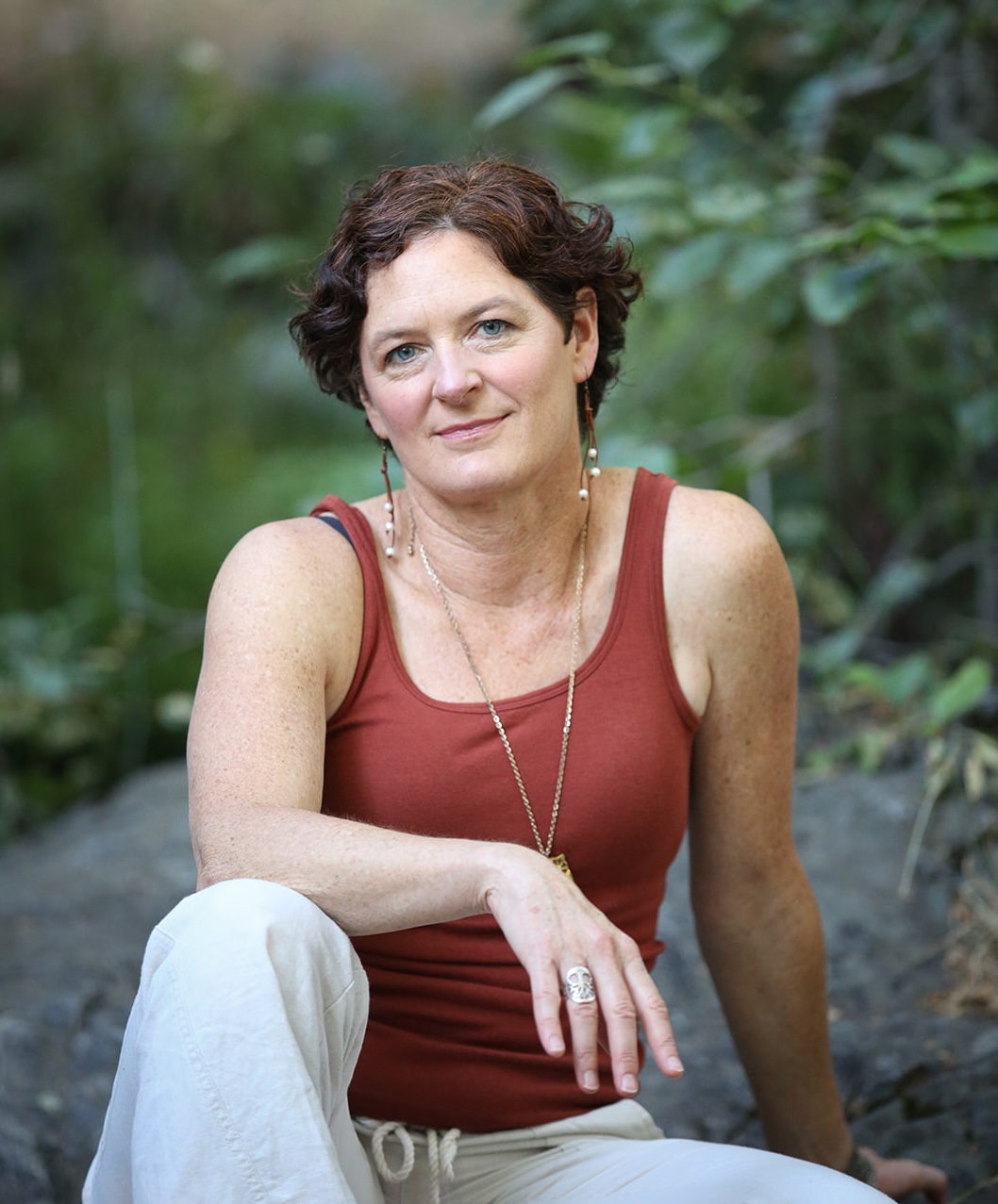
Hi, I'm Shawn.

I arrived at this philosophy by living it, more than once.

The first time was small: I was stuck on the couch, restless in a way I couldn't explain, and I decided to bicycle tour through Italy. I didn't have a reason that would've held up in an interview. I just knew, and I went.

Later, I gave that kind of knowing away. I got into a relationship with someone I treated as a mentor, and it became emotionally and financially exploitative. I stopped trusting what I knew. I lost contact with my own authority for a long time, and it took years to build it back.

I rebuilt it slowly, by trying things rather than figuring myself out on paper. Then, at 41, I felt a pull I couldn't fully justify and became a digital nomad with no plan past the first stop in Mexico. At 45, most of the "sensible" next moves felt like a dark hallway, and coding felt like rainbows and light (go figure!), so I trusted that instead and became a software engineer.

None of that was on a five-year plan. Every one of those turns started with the same thing: something had my attention, and I followed it before I knew where it led.

That's not beginner's luck. That's thirty years of proof that the pull is a more reliable compass than the plan. Now I help people skim the scum of mental noise so they can navigate the clear waters of self-trust.